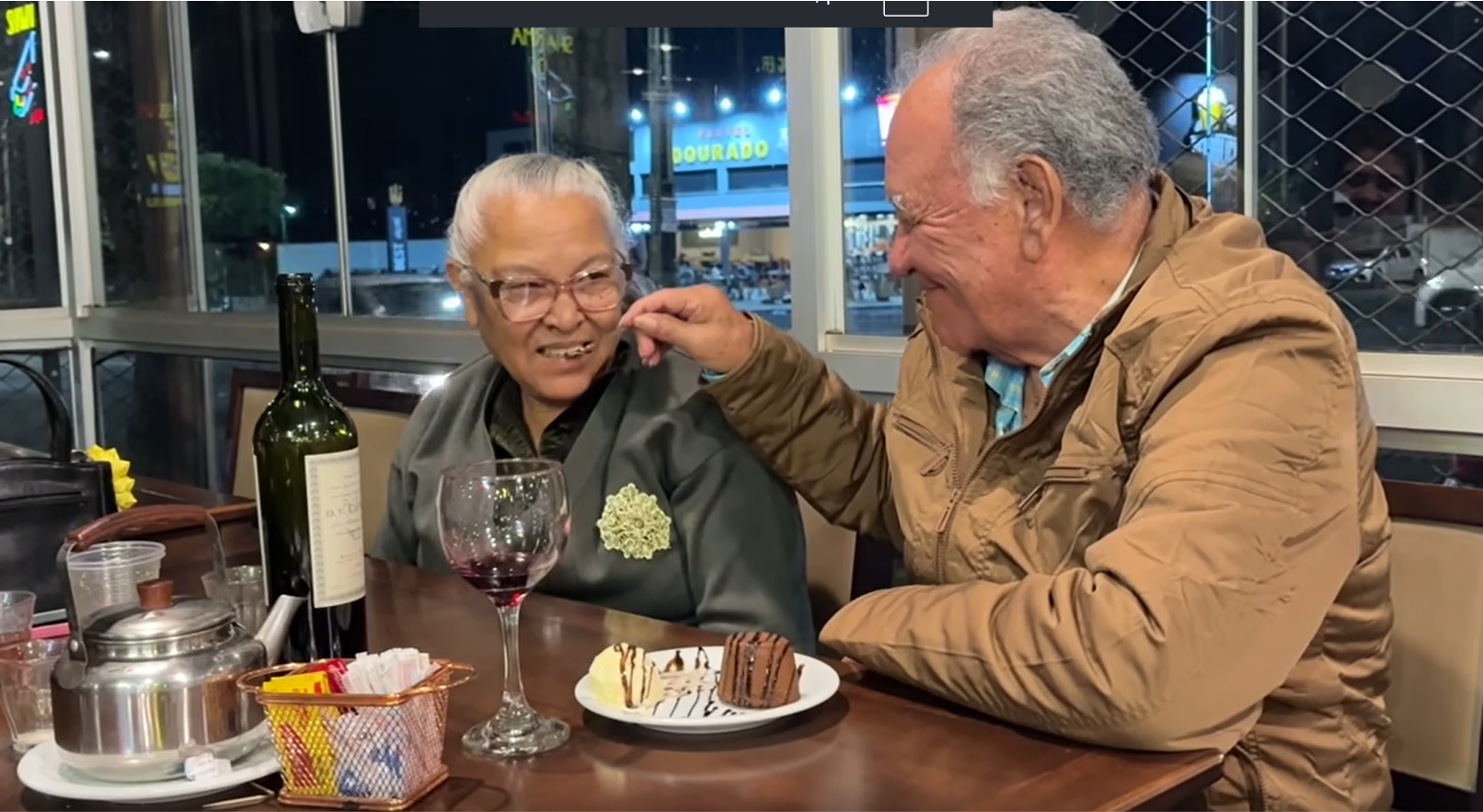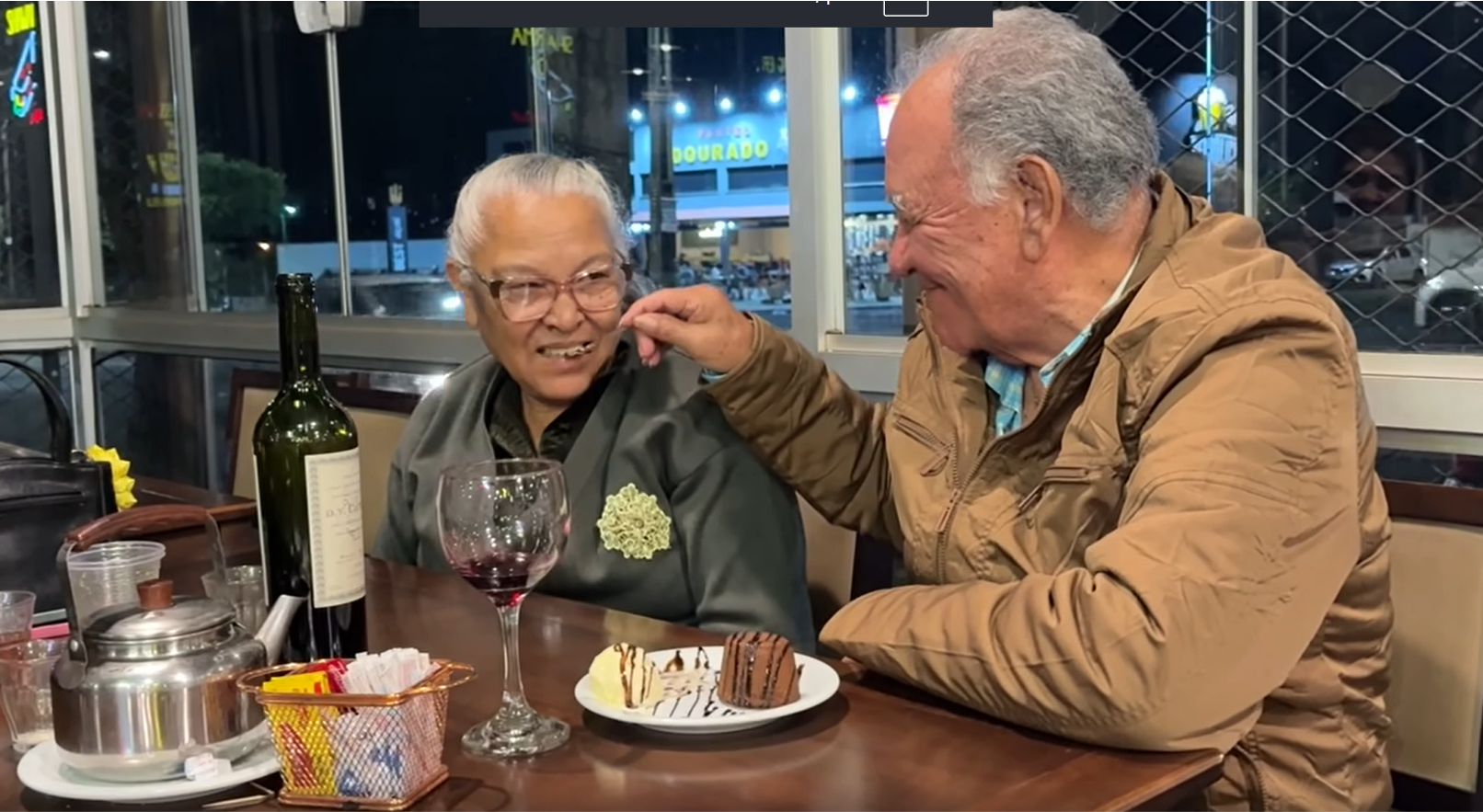
On a recent trip, I met a beautiful Paraguayan couple who had been married for 47 or 48 years. They had five children, all married and living their own lives.
What struck me was not only the length of their marriage, but the companionship they had built over the years.
At this stage of life, they seemed to have created a world of their own—shared conversations, familiar routines, old memories, laughter and quiet moments. Their children were clearly important to them, but their everyday life was largely centred around each other.
It made me think about something we do not discuss enough in India: what happens when a couple has spent most of their life together and one partner is no longer there?
After losing my dad in May this year, I have found myself thinking about this more deeply. I feel the same concern for my mother. When one partner is gone, the loss is not only of a spouse. It is also the loss of the person who filled the ordinary hours of the day—the conversations, the shared tea, the small decisions, the familiar presence and the comfort of having someone beside you.
This is why elder care needs to be understood as more than managing practical needs.
Medicines, meals, appointments and safety are all important. But care also includes companionship. It means having someone to sit with, talk to, listen to and share everyday life with.
Who will ask an older person about their day? Who will listen to the stories they have told many times before? Who will share their interests, stimulate their mind and help the day feel less empty?
As Indian families become more dispersed and children increasingly live in different cities or countries, these questions will become even more important.
Perhaps caring for an older person is not only about asking, “Are they being looked after?”
Perhaps we should also ask:
“Who are they sharing their life with?”
Because growing older is not only about being safe and well cared for. It is also about remaining connected, valued, engaged and emotionally supported.
Sometimes, what an older person needs most is not another service or another task completed. It is simply the presence of someone who is genuinely there with them.